
Hard Water vs. Your Pipes: Why Durham Homeowners Should Consider a Water Softener
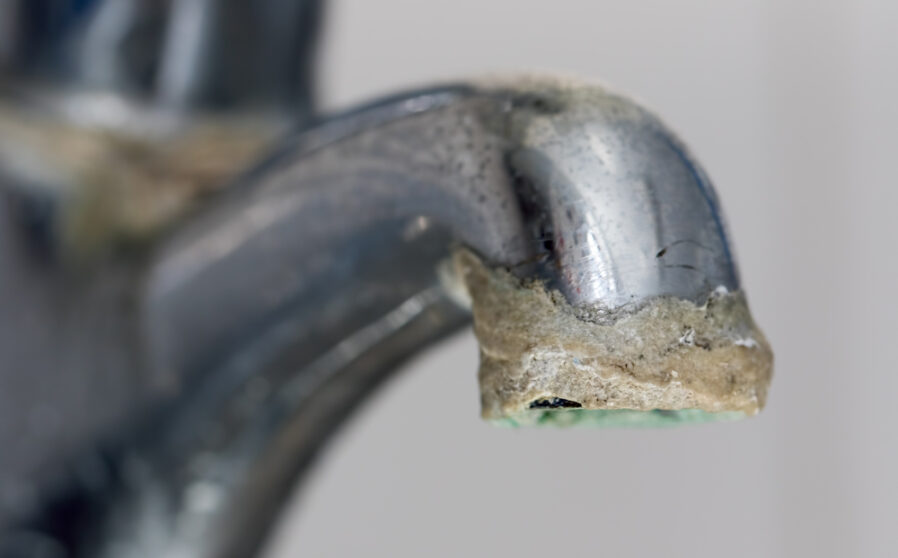
If you have lived in Durham for any length of time, you have probably noticed the chalky white residue around your faucets, the stubborn soap scum in your shower, or the way your laundry never quite feels as soft as it should. These are not just cosmetic annoyances. They are signs that your home is dealing with hard water, and left unchecked, hard water can quietly cause serious damage to your plumbing system over the years.
For homeowners across the Triangle area, understanding the relationship between water hardness and pipe health is one of the smartest investments you can make before a small problem turns into an expensive emergency.
What Is Hard Water and Why Is Durham Affected?
Hard water is water that contains high concentrations of dissolved minerals, primarily calcium and magnesium. As rainwater moves through soil and rock, it picks up these minerals naturally. The result is water that, while safe to drink, carries a mineral load that builds up inside your pipes, appliances, and fixtures over time.
Durham and the broader Triangle area draw water from sources that tend to carry moderate to high mineral content. The region’s geology, combined with how municipal water is treated and delivered, means that many homes here are receiving water that qualifies as hard by standard measurements. According to water quality data, Durham’s water hardness typically falls in a range that plumbing professionals consider significant enough to warrant attention.
The problem is that most homeowners do not realize how hard their water is until they start noticing the symptoms. By that point, some level of mineral buildup has already occurred inside their pipes and water heaters.
How Hard Water Damages Your Plumbing Over Time
The damage hard water causes is gradual, which is exactly what makes it so deceptive. Calcium and magnesium deposits, commonly known as scale, accumulate on the interior walls of your pipes with every gallon of water that flows through. Over months and years, this buildup narrows the diameter of your pipes, reducing water pressure and forcing your plumbing system to work harder than it should.
Scale buildup is particularly aggressive inside water heaters. When mineral deposits coat the heating element or accumulate at the bottom of a tank, the heater has to use significantly more energy to bring water to temperature. This shortens the lifespan of the appliance and drives up your utility bills at the same time.
Fixtures and appliances connected to your water supply face similar stress. Dishwashers, washing machines, and coffee makers all experience accelerated wear when they operate with hard water running through them. Showerheads clog. Faucet aerators get blocked. What starts as reduced water flow eventually becomes a repair or replacement call to a plumber in Durham, NC.
Hard water also interacts poorly with soap and cleaning products. Because calcium and magnesium ions interfere with how soap lathers, you end up using more product to achieve the same result. The leftover soap scum bonds with mineral deposits and sticks to surfaces throughout your home.
Perhaps most concerning for homeowners is the long-term effect on older pipes. In homes with aging plumbing, scale buildup can accelerate corrosion and increase the risk of pinhole leaks or pipe failures. When that happens, you are no longer dealing with a maintenance issue. You are dealing with a situation that calls for emergency plumbing services in Durham, and those calls are never cheap.
The Case for Installing a Water Softener
A water softener works by replacing the calcium and magnesium ions in your water supply with sodium or potassium ions through a process called ion exchange. The result is softened water that flows through your plumbing without depositing scale on every surface it touches.
The benefits are immediate and long-lasting. Homeowners who install water softeners typically notice improvements within the first few weeks. Soap lathers more easily, dishes come out of the dishwasher without spots, and showers feel cleaner. Over time, the more meaningful benefits show up in the condition of your pipes and the efficiency of your appliances.
From a plumbing standpoint, soft water is significantly gentler on your entire system. Without mineral buildup restricting flow, your pipes maintain better pressure. Your water heater operates more efficiently because the heating element is not coated in scale. Fixtures last longer because they are not being constantly exposed to corrosive mineral deposits.
For homeowners interested in hard water solutions in the Triangle area, a water softener is one of the most cost-effective investments available. The upfront cost of a quality system is easily offset by the savings on energy bills, extended appliance lifespans, and reduced plumbing repair costs over the years.
It is also worth noting that softened water does not require you to use as many cleaning products. You will find yourself going through dish soap, laundry detergent, and shampoo more slowly, which adds up to real savings over time.
When to Call a Professional Plumber
Deciding to install a water softener is a smart move, but the installation itself should be handled by a licensed plumber in Durham, NC. A proper installation involves connecting the softener to your main water supply line, setting up the brine tank, and ensuring the bypass valve is correctly configured. Done incorrectly, a water softener installation can lead to leaks, pressure problems, or a system that does not work as intended.
A professional plumber can also help you choose the right size and type of system for your home. Water softeners are rated by grain capacity, and selecting the correct capacity for your household’s water usage is essential for the system to perform efficiently. Too small a system will not adequately treat your water. Too large a system wastes salt and water during its regeneration cycles.
If your pipes have already sustained significant scale buildup, a plumber may recommend drain cleaning in Durham, North Carolina before or alongside your softener installation. Clearing existing buildup from your pipes ensures the softened water can flow freely and that you are starting fresh with a clean system.
It is also worth scheduling a plumbing inspection before making any decisions. An experienced plumber can assess the current state of your pipes, identify any areas of concern, and give you an honest picture of what your plumbing needs. This kind of proactive approach can help you avoid the stress and cost of emergency plumbing services in Durham by catching problems before they escalate.
If you have noticed reduced water pressure, unusual discoloration, or any signs of leaking, do not wait. These can be symptoms of advanced scale buildup or pipe damage that requires immediate attention. Acting quickly can mean the difference between a manageable repair and a major plumbing failure.
Conclusion
Hard water is one of those slow-moving problems that Durham homeowners tend to ignore until it becomes impossible to overlook. The mineral buildup it causes inside your pipes, water heater, and appliances does not happen overnight, but it adds up steadily over time. A water softener is one of the most practical steps you can take to protect your plumbing investment and reduce long-term maintenance costs. Paired with routine professional service, including drain cleaning in Durham, North Carolina and regular plumbing inspections, it gives your home’s plumbing system the best possible foundation for lasting performance.
If you are unsure where to start, reach out to a trusted plumber in Durham, NC to discuss your options and get a clear assessment of what your home needs.
Need a Plumber Near You?
Here at Shelton Plumbing Co., we’re proud to provide top-notch plumbing services to Durham, NC, and surrounding areas. With over 25 years of experience, our family-owned business is dedicated to delivering reliable, high-quality solutions for all your plumbing needs. Whether you need repairs, maintenance, or even a full remodel, we’re here to help—24/7, no matter the emergency. Your satisfaction is our top priority, and we won’t stop until the job is done right. Reach out to us today, and let’s take care of your plumbing needs!