
Emergency Plumbing Services in Durham, NC: Fast Repairs & Local Solutions
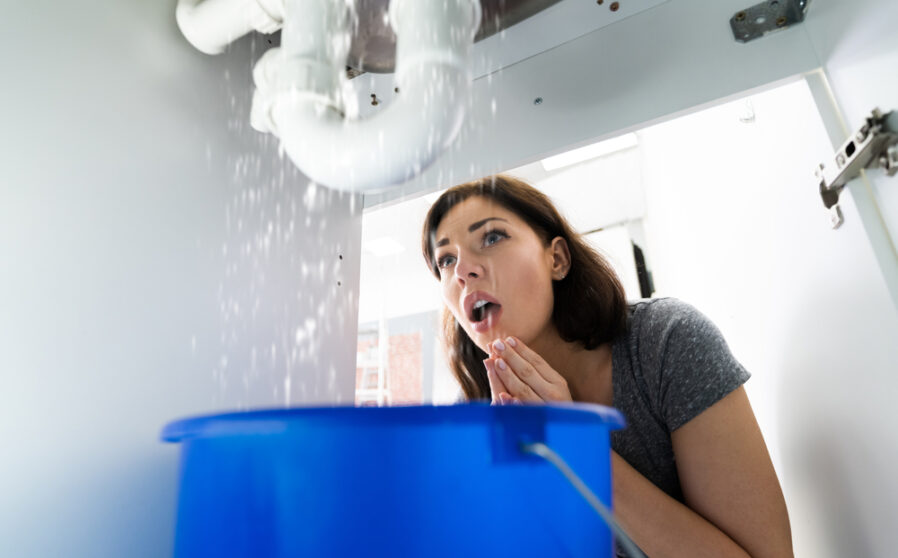
A burst pipe, overflowing drain, or sudden loss of water can turn into property damage quickly. In Durham, NC, plumbing emergencies can affect everything from older homes near established neighborhoods to commercial properties around downtown, especially when severe weather, freezing conditions, or sewer problems put extra stress on plumbing systems.
Quick answer: A plumbing emergency generally requires fast attention when water is actively damaging the property, sewage is backing up, a pipe has burst, or a major fixture or supply line cannot be safely controlled. The first priority is limiting damage by shutting off water when it is safe to do so. For suspected public water main breaks or sewer overflows, the City of Durham directs residents to report the problem to Water Management.
What local readers should know
- Active leaks, burst pipes, sewer backups, and uncontrolled overflows usually warrant immediate action rather than waiting for a routine appointment.
- Durham Water Management maintains the city’s public water distribution and wastewater collection systems, while plumbing problems on private property may require a plumber.
- If you experience a sewer blockage or backup, the City advises customers to contact Water and Sewer Maintenance first in case the blockage is the city’s responsibility.
- Homes in areas such as Trinity Park, Duke Park, Hope Valley, Watts-Hillandale, and Old North Durham can differ significantly in age, plumbing layout, and accessibility.
- Knowing where your main water shutoff is located can save valuable time when a pipe or fixture begins releasing water.
Why Emergency Plumbing Matters Locally
Emergency plumbing matters locally because uncontrolled water or sewage can damage flooring, drywall, cabinets, electrical components, and personal belongings long before a convenient repair time arrives. Durham properties also include a mix of historic neighborhoods, newer construction, apartments, commercial spaces, and institutional buildings, so emergency conditions can look very different from one property to another.
The city’s own planning resources identify historic districts and established areas including Trinity, Watts-Hillandale, North Durham-Duke Park, Downtown Durham, Morehead Hill, East Durham, Forest Hills, and Hope Valley. That variety makes the location and condition of existing plumbing especially relevant when diagnosing an urgent problem.
At Shelton Plumbing Co., we understand that the first goal during an urgent plumbing problem is to identify the source, limit further damage, and determine what repair is appropriate. From this point forward, we focus on helping local property owners understand what requires immediate attention and what may safely wait.
Local Data and Field Considerations
Durham’s public water and sewer infrastructure is extensive, which makes distinguishing a private plumbing problem from a utility-side problem an important first step. The City reports that its water distribution system includes about 1,200 miles of water lines serving approximately 80,000 connections.
The Department of Water Management maintains public water and wastewater infrastructure and responds to issues such as water main breaks and sewer overflows. For a sewer blockage or backup in a home or business, the City specifically instructs customers to contact Water and Sewer Maintenance first.
That distinction can prevent confusion during an already stressful situation.
How Plumbing Emergencies Affect Local Properties
Plumbing emergencies can cause immediate water damage, interrupt normal household routines, close bathrooms or kitchens, and disrupt business operations. A small visible leak may also represent a larger problem if water is traveling behind walls, beneath flooring, or through a ceiling.
In a home, that may mean losing access to a bathroom or needing to shut off the entire water supply. For restaurants, offices, retail spaces, rental properties, and other businesses around Downtown Durham or the Ninth Street area, plumbing downtime can interfere with customers, employees, sanitation, and daily operations.
The faster the water source is controlled, the better the opportunity to limit secondary damage.
Warning Signs of a Plumbing Emergency
The clearest warning signs of a plumbing emergency are uncontrolled water, sewage entering the property, a burst pipe, or a plumbing failure that cannot be isolated safely. Some problems are immediately obvious, while others begin with changes in pressure, drainage, sound, or moisture.
Watch for:
- Water spraying or rapidly leaking from a pipe, supply line, or fixture.
- Sewage or wastewater backing up through tubs, showers, toilets, or floor drains.
- Water stains that suddenly spread across a ceiling or wall.
- A major and unexplained drop in water pressure.
- Multiple drains backing up at approximately the same time.
- A toilet overflowing repeatedly even after normal plunging.
- Standing water near a water heater or plumbing appliance.
- Unexplained running-water sounds when fixtures are turned off.
If water is approaching electrical equipment or creates another immediate safety hazard, avoid entering the affected area.
When to Call a Professional
Call a professional when you cannot safely stop the leak, sewage is entering the building, a pipe has ruptured, or the problem requires opening or repairing the plumbing system. Minor drips that can be isolated may sometimes wait for scheduled service, but active damage should be treated differently.
A homeowner can safely locate the shutoff valve, move belongings away from water, place a container beneath a manageable drip, and document visible damage. Avoid dismantling plumbing, cutting into walls, or attempting repairs that could make an active leak worse.
For a suspected city water main break, sewer overflow, or sewer odor, Durham Water Management provides a separate municipal reporting process.
Common Causes of Emergency Plumbing Problems
Common emergency plumbing problems in the Durham area include pipe failures, clogged drain or sewer lines, fixture failures, water-heater leaks, and weather-related damage. The exact cause must be diagnosed at the property, but several situations commonly produce urgent symptoms.
1. Pipe or connection failure: Aging materials, damaged fittings, corrosion, accidental impacts, or changes in pressure can allow water to escape rapidly.
2. Drain or sewer blockage: A serious obstruction can cause wastewater to seek another exit, sometimes appearing through a lower-level drain, bathtub, or toilet.
3. Failed fixture supply components: Flexible supply lines, shutoff valves, toilet components, and faucet connections can leak suddenly.
4. Water-heater problems: A leaking tank, valve, or connection can release significant amounts of water depending on the failure.
5. Cold-weather exposure: Durham does experience winter weather and occasional snow and ice conditions. Pipes in vulnerable or poorly protected locations can require extra attention during cold periods. The City maintains specific severe-weather resources for winter events.
Preventing Plumbing Emergencies
Preventing plumbing emergencies starts with knowing your shutoffs, addressing small leaks early, protecting vulnerable pipes, and responding to drainage changes before they become complete blockages. These simple habits are especially useful for homeowners and landlords managing older or frequently occupied properties.
Locate the main water shutoff before you need it. Periodically inspect visible plumbing beneath sinks and around toilets, water heaters, washing machines, and other water-using equipment. Pay attention when a drain becomes progressively slower or when several fixtures begin showing similar drainage problems.
Before cold weather arrives, inspect exposed plumbing in vulnerable areas and address known insulation or leak concerns. If you own a rental or commercial property, make sure occupants or responsible staff know whom to contact and where critical shutoffs are located.
DIY work should stop when diagnosis requires disassembly, specialized equipment, sewer-line work, or changes to the plumbing system.
What to Expect From an Emergency Plumbing Repair
An emergency plumbing repair should first control the immediate problem and then identify what must be repaired to restore safe, normal plumbing operation. The exact work depends on whether the cause is a broken pipe, failed fixture, blockage, leaking connection, or another plumbing defect.
In some situations, an immediate repair can resolve the problem. In others, stopping the active leak may be followed by additional diagnostic or repair work.
Property owners should also remember that plumbing repair and restoration are different tasks. A plumber may repair the source of water, while damaged drywall, flooring, cabinets, or other building materials may require separate restoration work.
Common Emergency Plumbing Mistakes
The most common emergency plumbing mistakes involve delaying the shutoff, repeatedly using a blocked system, or attempting a repair without identifying the actual source. A better response focuses first on limiting damage and avoiding actions that can worsen the problem.
Mistake: Continuing to flush a toilet that is backing up.
Consequence: More wastewater may overflow into the room.
Better approach: Stop using the affected fixture and arrange diagnosis.
Mistake: Ignoring a ceiling stain that is actively growing.
Consequence: Water may continue damaging concealed building materials.
Better approach: Stop the water source when possible and have the leak located.
Mistake: Assuming every sewer backup is automatically a private plumbing problem.
Consequence: You may call the wrong party first.
Better approach: Follow Durham’s guidance for sewer blockages and backups, including contacting Water and Sewer Maintenance when appropriate.
A Common Local Emergency Scenario
A common local scenario is discovering water spreading from a bathroom, utility area, or ceiling when the source is not immediately obvious. Imagine a homeowner near Duke Park waking up to water on the floor beneath an upstairs bathroom.
The useful first steps are to stop using nearby fixtures, shut off the appropriate water supply if it can be done safely, move belongings away from the affected area, and determine whether professional plumbing service is needed.
The priority is not experimenting with multiple repairs. It is controlling the water and identifying the failed component before additional damage occurs.
Related Emergency Plumbing Solutions
Emergency plumbing solutions can include leak diagnosis, pipe repair, drain or sewer troubleshooting, fixture repair, and other work needed to stop an active plumbing problem. The appropriate service depends on what is causing the emergency and whether the issue lies within the private plumbing system.
We can evaluate the symptoms and determine what repair approach fits the situation rather than treating every emergency the same way.
Contact us to request plumbing service
Comparing Emergency Service With a Temporary DIY Response
Professional emergency service addresses plumbing failures that require diagnosis or repair, while DIY action is best limited to safe damage-control steps. Turning off a valve or placing a bucket beneath a small leak can be useful, but those measures do not necessarily correct the underlying failure.
A temporary response may be reasonable when the water is completely controlled and the affected fixture can remain unused. Professional attention becomes more important when water continues flowing, sewage is involved, multiple fixtures are affected, or the source cannot be identified.
For a suspected public-system problem, contacting Durham Water Management may be the correct first step rather than scheduling private plumbing work.
Emergency Plumbing Service Areas
Emergency plumbing needs occur throughout Durham and surrounding communities, from established neighborhoods to growing residential and commercial areas. Local properties may include homes around Trinity Park, Duke Park, Hope Valley, Forest Hills, and Watts-Hillandale, as well as buildings around downtown and other parts of Durham County.
The Cost of Ignoring an Urgent Plumbing Problem
Ignoring an urgent plumbing problem can allow a manageable repair to become a larger property-damage issue. Continued leaking can affect floors, walls, ceilings, cabinetry, and nearby belongings, while an unresolved sewer backup can make plumbing fixtures unusable and create sanitation concerns.
Waiting is particularly risky when the leak cannot be isolated. Even if the visible water seems limited, moisture can travel beyond the area where it first appears.
If water is actively leaking or your plumbing cannot be used safely, request service now
FAQ
What counts as a plumbing emergency in Durham, NC?
A plumbing problem is generally an emergency when it creates active property damage, sanitation concerns, or a loss of essential plumbing that cannot be safely controlled. Burst pipes, uncontrolled leaks, and sewage backups are common examples. A small isolated drip may be able to wait for a normal service appointment.
What should I do first if a pipe bursts in Durham?
Shut off the water supply if you can reach the correct valve safely, then move people and belongings away from the affected area. Avoid electrical hazards and contact a plumbing professional for repair. If the problem appears to involve a public water main rather than private plumbing, report it to Durham Water Management.
Who should I call for a sewer backup in Durham?
For a sewer blockage or backup, the City of Durham tells customers to contact Water and Sewer Maintenance first. The City notes that if the blockage is its responsibility and a customer calls a plumber first, the City will not reimburse the plumber’s bill. This distinction is worth checking before arranging private repair.
Can cold weather cause emergency plumbing problems in Durham County?
Yes, cold weather can create plumbing risks when pipes are exposed to sufficiently low temperatures, particularly in vulnerable or poorly protected areas. Durham prepares for occasional winter weather, including snow and ice events. Property owners can reduce risk by checking exposed plumbing and addressing known vulnerabilities before colder periods.
Should I use a drain cleaner during a serious backup?
A serious or widespread backup should be diagnosed rather than repeatedly treated with drain-cleaning products. If multiple fixtures are backing up, sewage is appearing, or the blockage quickly returns, stop using the affected plumbing. For a sewer blockage in Durham, also follow the City’s guidance about contacting Water and Sewer Maintenance first.
How can I tell whether a leak is mine or a Durham water-main problem?
The location and symptoms can provide clues, but the responsible system may not always be obvious without inspection. Loss of pressure affecting a broader area or visible water in a public area may indicate a utility problem. Durham asks residents to report suspected water main breaks so Water Management can investigate.
Do older Durham neighborhoods need different emergency plumbing repairs?
The required repair depends on the actual plumbing materials, configuration, condition, and cause of failure rather than the neighborhood name alone. Established areas such as Trinity Park, Duke Park, Forest Hills, and Hope Valley include properties of different ages, so a plumber needs to evaluate the individual building instead of assuming what plumbing is present.
Can I wait until morning if I have a plumbing leak?
You may be able to wait when the leak is fully isolated, no additional water is escaping, and the situation presents no sanitation or safety concern. If water continues spreading, the source cannot be shut off, or sewage is entering the property, delaying service can increase the potential for damage.
Protect Your Durham Property From a Plumbing Emergency
Fast action can help limit damage when a plumbing problem suddenly disrupts your Durham home or business. We focus on identifying the source of the problem and determining the appropriate plumbing solution without making assumptions about what caused it.